How Progressive Prize Structures in Digital Number Games Have Reshaped Participation Trends Among UK Smartphone Users
Felix Jenkins · Oct 19, 2026
How Progressive Prize Structures in Digital Number Games Have Reshaped Participation Trends Among UK Smartphone Users
Understanding Progressive Prize Structures in Digital Number Games
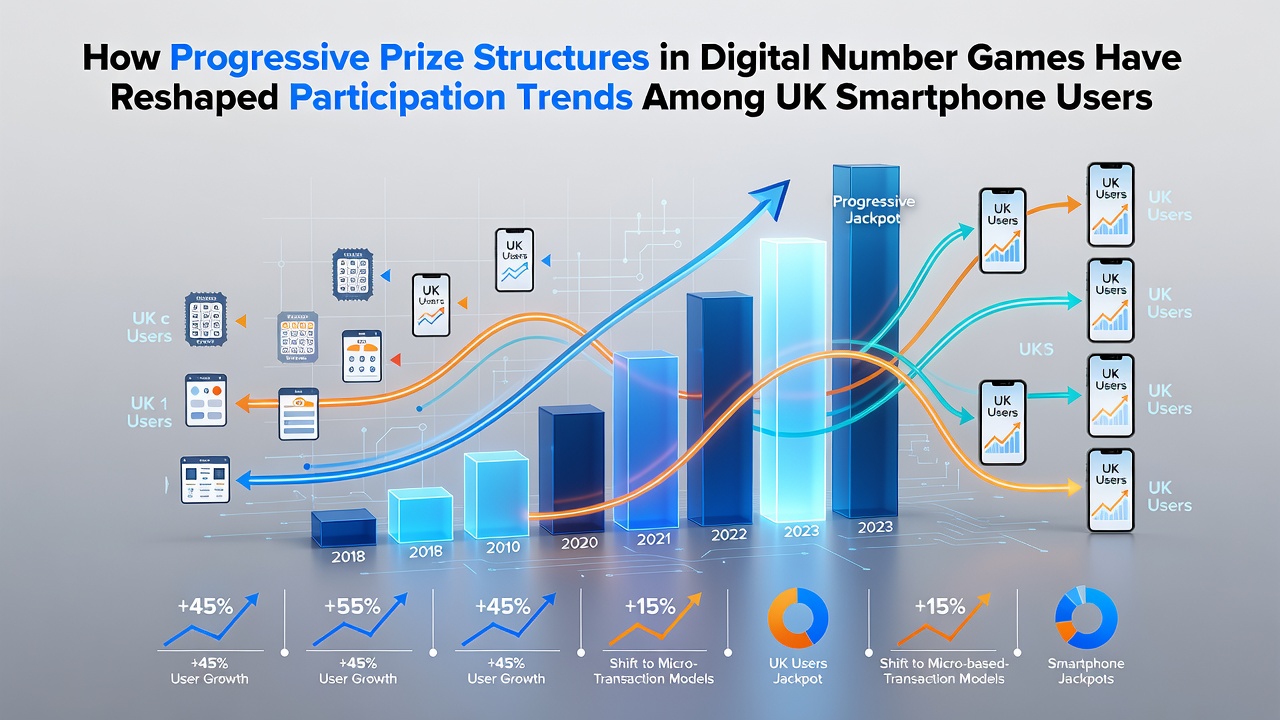
Progressive prize structures in digital number games refer to jackpot systems that grow incrementally with each ticket or entry sold until a winner claims the accumulated pool, and these mechanics have appeared across various mobile platforms offering bingo-style draws, lottery simulations, and number selection formats. Data indicates that participation among UK smartphone users has shifted noticeably since the widespread adoption of these models around 2018, with figures from industry tracking showing increased session lengths and repeat logins as prize pools climb into higher ranges. Researchers at institutions studying digital entertainment have documented how these escalating rewards create feedback loops where larger visible totals draw additional players, and this pattern holds across demographic groups who access games primarily through apps on iOS and Android devices.
Tracking Shifts in Participation Data Through 2026
Participation trends reveal that UK smartphone users spent more time in number-based gaming apps during periods when progressive elements dominated marketing campaigns, and a report covering activity up to October 2026 noted sustained growth in daily active users within this category compared to fixed-prize alternatives. Observers note that the average number of entries per user rose in tandem with jackpot visibility features, such as live counters displayed on home screens, while demographic breakdowns show stronger uptake among those aged 25 to 44 who maintain consistent mobile data connections. External analyses from the OECD digital economy reports highlight parallel patterns in mobile engagement metrics across developed markets, suggesting that progressive mechanics align with broader preferences for variable reward schedules in app-based leisure activities.
Smartphone penetration in the UK reached over 90 percent among adults by mid-2025, which created a foundation for these games to reach wider audiences through push notifications and in-app updates that announce rising prize pools. Studies tracking app store downloads indicate that titles incorporating progressive structures maintained higher retention rates over six-month periods, and data compiled through October 2026 shows continued expansion in regional usage outside major cities where network infrastructure supports seamless real-time updates.
Device-Specific Behaviors and Regional Variations
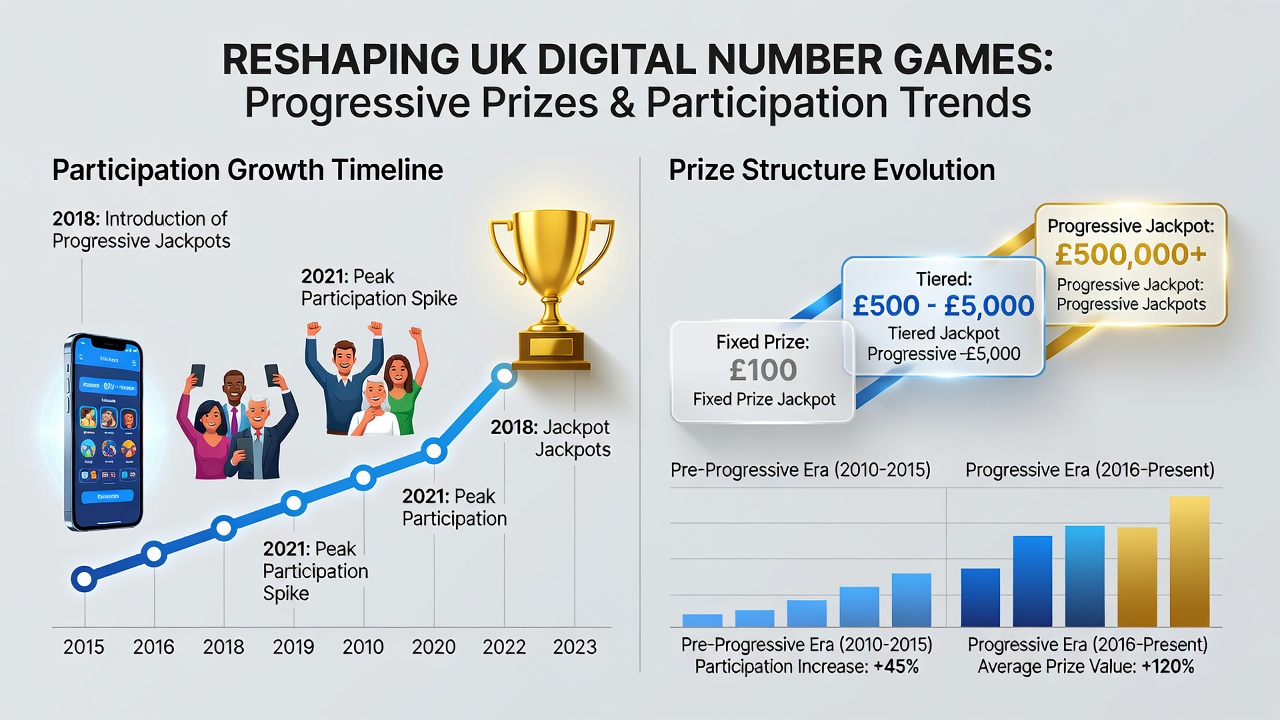
Usage patterns differ between iPhone and Android users, with the former group showing slightly higher engagement during peak jackpot growth phases according to aggregated telemetry from app analytics platforms. Those who study mobile behavior point out that push notification timing tied to prize milestones correlates with spikes in opens and entries, particularly in the evening hours when smartphone activity peaks nationally. Regional data collected through October 2026 illustrates stronger proportional increases in participation from Scotland and the North of England compared to London, where baseline app usage already sat at elevated levels before progressive features became standard.
Payment integration within these apps has streamlined entry processes, allowing smaller incremental contributions that accumulate toward shared pools, and this accessibility has coincided with measurable upticks in first-time users converting to regular participants. Evidence from longitudinal tracking suggests that games without progressive elements experienced flatter growth curves during the same timeframe, underscoring the structural influence of escalating rewards on overall trends.
Connections to Broader Mobile Entertainment Metrics
Cross-referencing with statistics from Statistics Canada on digital leisure activities reveals comparable influences of variable prize systems on session duration in other jurisdictions, which provides context for interpreting UK-specific smartphone data. Developers have adjusted interface designs to highlight current jackpot sizes more prominently, and these changes align with observed increases in average daily time spent per user. Participation figures collected through October 2026 continue to reflect the cumulative effect of these design choices across multiple app categories that incorporate number selection mechanics.
Conclusion
Progressive prize structures have coincided with measurable changes in how UK smartphone users interact with digital number games, as evidenced by retention statistics, entry volume increases, and demographic distribution patterns documented through October 2026. Continued monitoring by research bodies will clarify whether these trends persist as prize pool mechanics evolve alongside device capabilities and network speeds.